
Justice
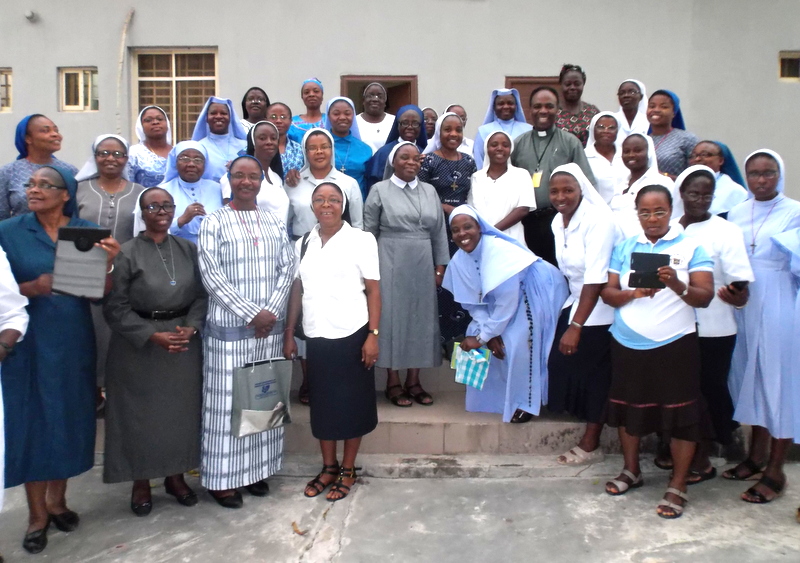
The Africa Faith and Justice Network advocates for justice both within the US and in Africa. AFJN’s work includes educating and tackling the different forms of injustice. Read about the different ways we are empowering women to fight injustice in the communities through the Women’s Empowerment Project. AFJN also has delved deeper into systemic injustice within the US and abroad and the new movement sparked by George Floyd’s death. AFJN advocated for release of prisoners with minor offenses in the Democratic Republic of the Congo and to uphold the Constitution.
Women’s Empowerment Project
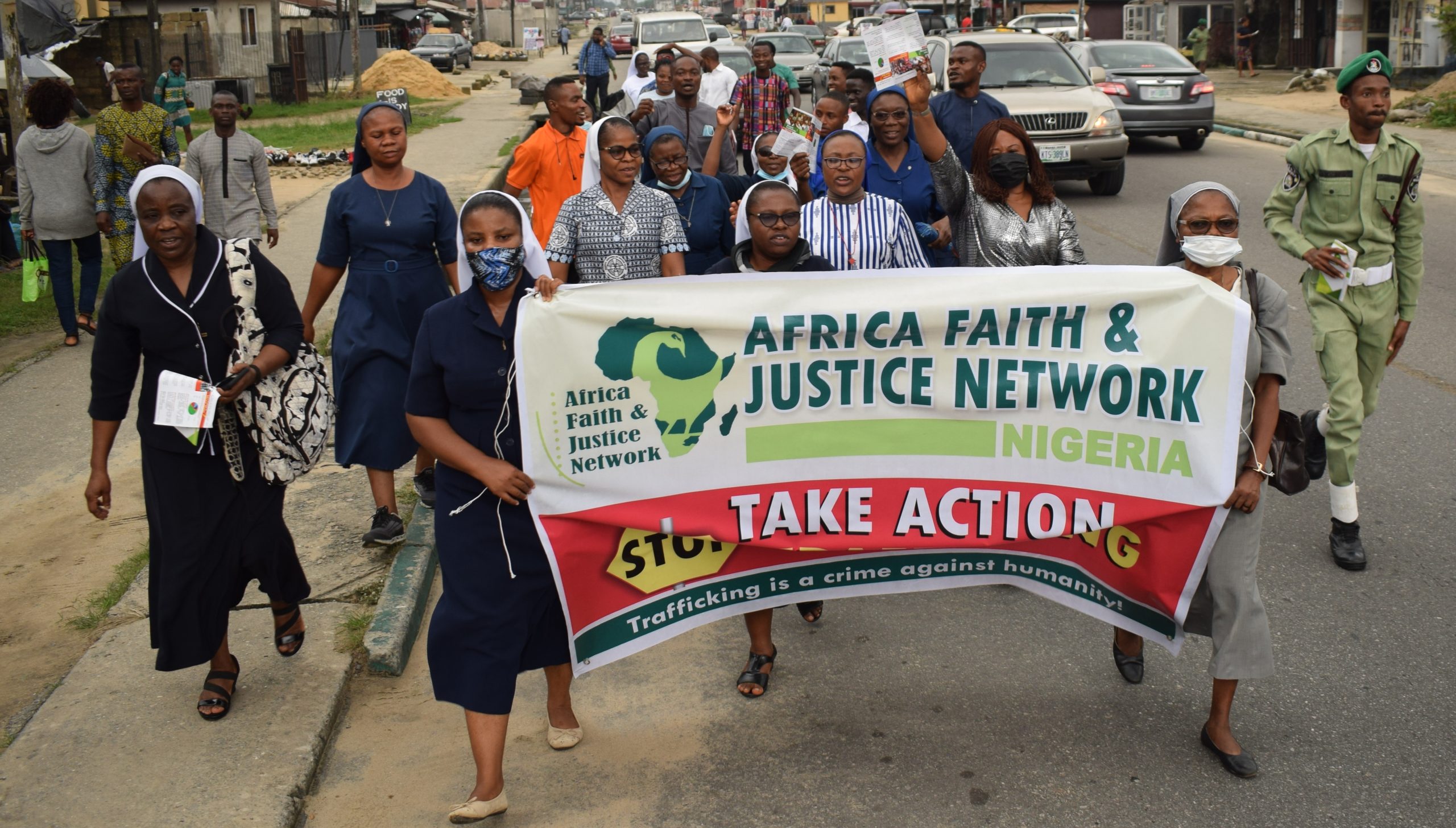
AFJN’s Women’s Empowerment Project continues to be making strides in Uganda, Nigeria, Tanzania, and Ghana. In 2021, AFJN expanded the program to include workshops in Zambia and the Democratic Republic of the Congo. In Africa, religious sisters have taken to the airwaves talking about child labor, domestic and gender based violence, human trafficking, youth empowerment and other issues relevant to their communities. To learn more, click here.
Just Governance
AFJN continues in the fight against corruption by educating and advocating for increased transparency and accountability. Members of the community are being emboldened to stop paying bribes and demand integrity in their schools, businesses, communities, and governments.
CALAR Initiative – A Declaration: Africa Remember Who You Are
The Coalition for Africa’s Liberation and Restoration (CALAR), initiated by the Africa Faith and Justice Network (AFJN), was launched on Africa’s Liberation Day on May 25, 2020 to mobilize Africans on the continent and in the diaspora in order to claim their rights and dignity and protect their heritage and resources against those whose actions continue to exploit Africa, and subjects Africans at home and abroad to all forms of indignities. Sign the Declaration, Pray for African Renewal, and watch the kickoff event video here.
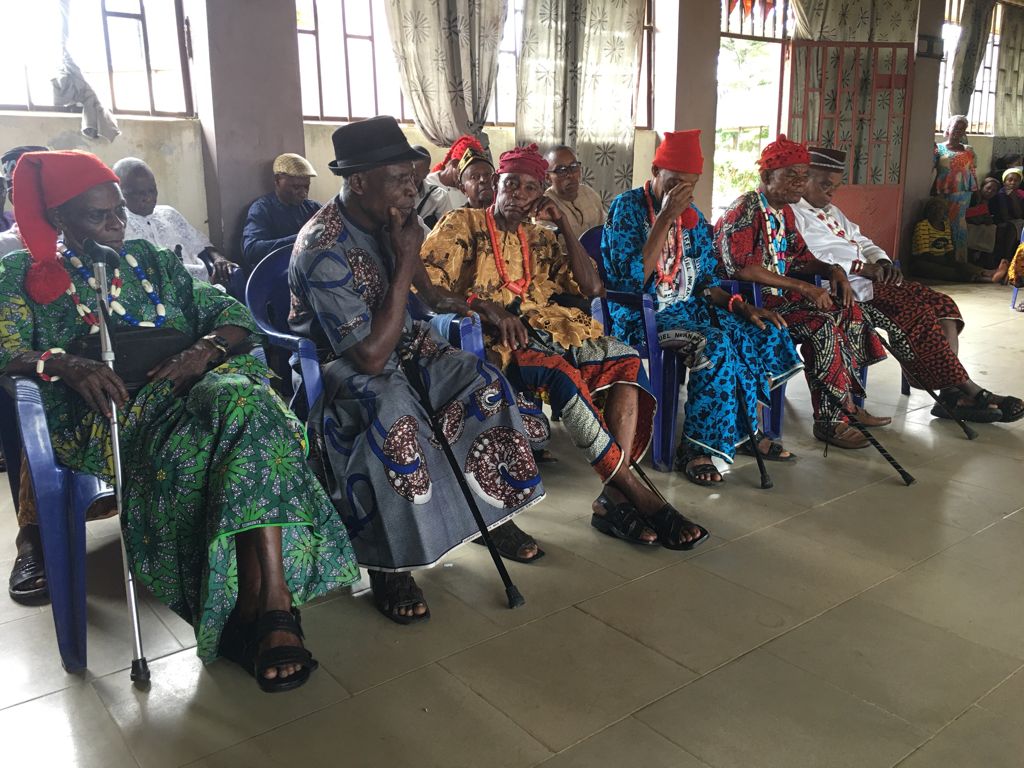
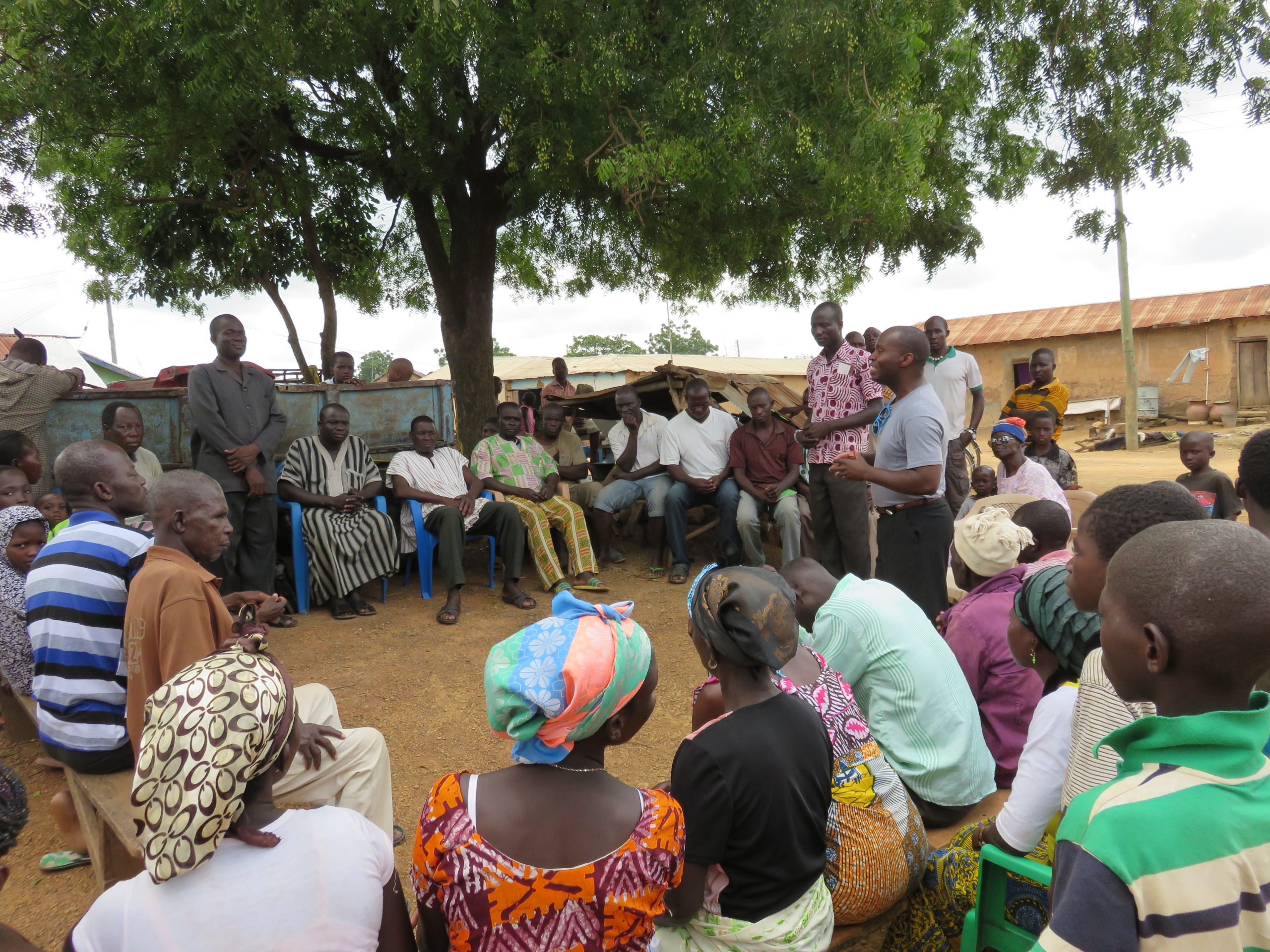
Other Projects
AFJN has many projects going on to see some of the projects that we are focusing on at this time click here.
Latest News
 AFJN’s 2026 Memorial Mass 4 Aug, 2026 - AFJN warmly invites you to “The Africa Faith and Justice Network's Annual Memorial Mass” on August 19, 2026. This sacred gathering honors the profound contributions and enduring legacy of our late donors, board members, staff, and supporters whose dedication has strengthened AFJN in our mission.
  United States of America Turns 250! 3 Jul, 2026 - In commemoration of the 250th Anniversary of the United States of America, Dr. Steven Nabieu Rogers shares a short reflection.
  Monitoring the Progress of Soccer Girls in Tusani Ghana 23 Jun, 2026 - May 27, 2026, was a joyful day for Africa Faith and Justice Network (AFJN) and the people of Tusani, a rural community in the Yendi Municipal District in northern Ghana, as we came together to evaluate our girls’ soccer program. This initiative proved highly successful in empowering young girls, building their confidence, and strengthening community […]
 Happy Juneteenth 19 Jun, 2026 - Happy Juneteenth!
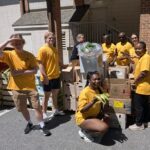 AFJN Day of Service Immerses Interns in Living Out the Mission 16 Jun, 2026 - By Riley DeSarboAFJN 2026 Summer Intern Tuesday June 2 marked the second annual day of service at Africa Faith and Justice Network (AFJN). Dr. Steven Nabieu Rogers, AFJN Executive Director, introduced the idea in 2025 as a means for AFJN members to give back to the local community. “We so often interact with public officials […]
 AFJN Welcomes Our 2026 Summer Interns 15 Jun, 2026 - AFJN Welcomes our 2026 Summer Interns: Makelah Arzu-Porter, Peaches L. Dargbeh, Riley DeSarbo, Aiden O'Connell, and Arthur Santana Queiroz.
 Event: The 2026 Ebola Outbreak – Understanding the Crisis 1 Jun, 2026 - The Africa Faith and Justice Network (AFJN) and the Advocacy Network for Africa (AdNA) invite you to "The 2026 Ebola Outbreak - Understanding the Crisis" online event on Thursday, June 11, 2026 at 11:00 am ET (Washington, DC). This event is free and open to the public. Registration requested.
 In the News – Press Conference on Nigerian Women Representation in Governance Video Featured in ASO News 22 May, 2026 - On May 21, 2026, AFJN-Nigeria shared ASO News' coverage of the Press Conference for Women Religious in Nigeria on their Instagram page.
 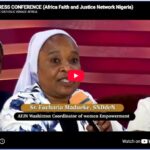 In the News – WEP Press Conference Video Coverage in The Catholic Voyage-Africa 13 May, 2026 - On May 12, 2026, Africa Faith and Justice Network Women Empowerment Project Press Conference on Women Representation in Nigeria was covered in The Catholic Voyage-Africa.
 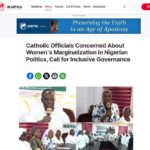 In the News – AFJN WEP Featured in ACI AFRICA 12 May, 2026 - On May 11, 2026, Africa Faith and Justice Network (AFJN) and AFJN-Nigeria's recent advocacy work on women representation in Nigeria was featured in Abah Anthony John's "Catholic Officials Concerned About Women’s Marginalization in Nigerian Politics, Call for Inclusive Governance" article in ACI Africa.